

Personal Reinvention: Starting Fresh at 45+
You've got experience, self-knowledge, and time ahead. This guide walks through how to leverage what you've learned while building something new.
The years leading up to retirement shape how you'll experience it. We explore the mental shifts that matter most and how to prepare psychologically for this transition.

You've probably spent decades building your career, raising a family, managing responsibilities. Retirement isn't just about stopping work — it's about starting something different. And that starts in your head.
The research is clear: people who approach retirement with intention and clarity adapt better. They're more satisfied. They stay more engaged. But it's not magic — it's preparation. The right mindset shifts, made now, make all the difference later.
For most of your adult life, you've answered "What do you do?" with your job. That's not shallow — it's human. Your work has likely been meaningful, structured, part of who you are. The challenge? When work ends, that identity can feel incomplete.
The shift starts with asking different questions. Not "What will I do all day?" but "Who am I when I'm not working?" That's harder, but it's essential.
You'll want to explore what genuinely interests you — not what sounds impressive at dinner parties. Some people discover they love volunteering. Others want to learn a skill they never had time for. Many find they're happiest when they're helping family or their community. None of these are more or less valid than others. What matters is that you've thought about it beforehand.

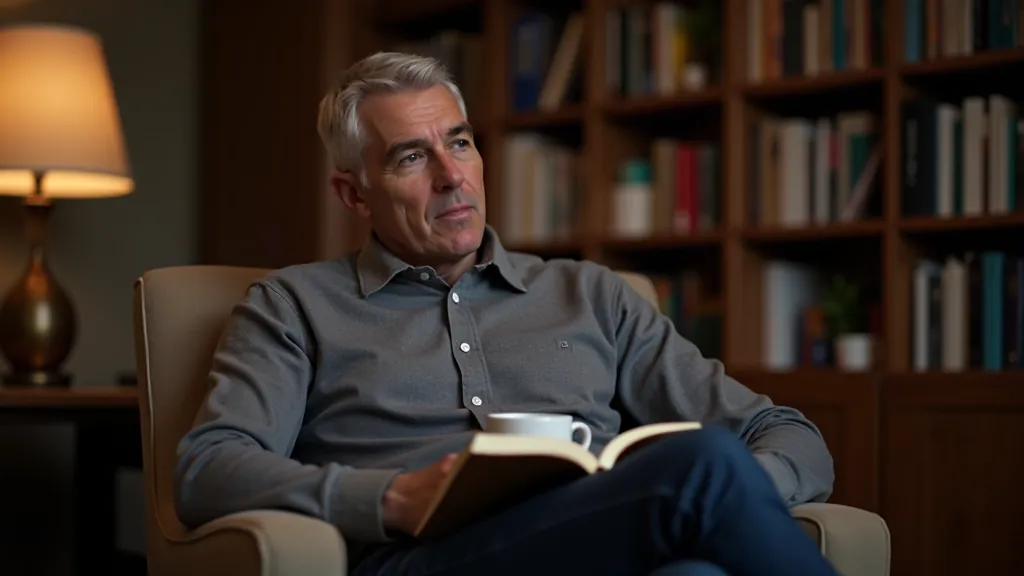
There's a common myth that retirement is about leisure. It can be. But research on life satisfaction shows that most people need some form of purpose — something that gets them up in the morning, something they're building toward. That doesn't mean working 60 hours a week. It means having direction.
Purpose in retirement looks different for everyone. For some, it's continuing work you love but on your own terms. For others, it's mentoring younger colleagues. Some people dive into passion projects they've postponed. Others structure their week around relationships — spending real time with grandchildren, friends, or partners. The specifics matter less than having clarity.
If you haven't thought about this, don't panic. You're not supposed to have all the answers now. You're supposed to start asking the questions.


This isn't about budgeting (though that's important). It's about your emotional relationship with money. Some people feel anxious about spending their savings. Others swing the opposite direction and overspend early. Most of us have some version of money stress baked in from years of work.
The mindset shift here is about moving from accumulation to stewardship. You've been building a nest egg. Now you're managing what you've built. That's a different skill set. It requires different thinking. You'll want to work with a financial advisor, absolutely. But before you do, it helps to get clear on your own beliefs about money — what security feels like, what generosity means to you, how you want your resources to reflect your values.

This article provides educational information about pre-retirement mindset and life transitions. It's not a substitute for professional financial, legal, or medical advice. Everyone's circumstances are different, and what works for one person might not work for another. We recommend consulting with qualified financial advisors, therapists, or coaches to develop a plan tailored to your specific situation. Life coaching is complementary to, not a replacement for, professional services.
The best time to build your pre-retirement mindset is now. Not in the last month before you retire. Not when panic sets in. Now, when you still have the structure of work to think alongside it. You can experiment. You can ask yourself hard questions. You can explore what matters.
This isn't about having perfect answers. It's about having real ones. The people who retire happiest aren't those who had it all figured out five years in advance. They're the ones who stayed curious. Who kept adjusting their thinking. Who understood that retirement isn't a fixed destination — it's a transition into a different way of living. And that transition starts in your mindset.
You've got this. You just need to think about it.