

Building Your Pre-Retirement Mindset
The years leading up to retirement shape how you'll experience it. We explore the mindset shifts that matter most.
Read ArticleAging brings real changes — physical, social, and psychological. Rather than resist them, we explore how to acknowledge transitions, adapt thoughtfully, and find meaning in each chapter.

Life doesn't stay static. We move through distinct chapters — each with its own rhythm, challenges, and opportunities. Yet somewhere along the way, we're taught to resist change rather than embrace it. We're told that aging means decline, that transitions are disruptions to avoid.
Here's what actually happens: you're stronger than you think. You've navigated countless changes already. A career shift at 25, a relationship ending at 35, a new role at 48 — you've done the hard work of adapting before. This time isn't different in that respect. It's just that the stakes feel higher, the timeline feels shorter, and the cultural messages get louder.
Rather than pretend transitions don't happen, we can prepare for them. Most people navigate age transitions through three overlapping areas: acknowledging what's actually changing, adapting your daily rhythms, and finding new sources of meaning and connection.
You can't adapt to something you won't name. Whether it's a shift in energy levels, changes in how your body recovers, or differences in social rhythms, acknowledging what's different is the foundation. This isn't pessimism — it's honest assessment. A runner who ignores knee pain doesn't perform better. A person who pretends their sleep patterns haven't shifted doesn't rest better.
The physical changes are obvious: recovery takes longer, certain movements require modification, sleep might feel less restorative. But the social and psychological shifts matter just as much. Your peer group might be changing — some friends prioritizing different things, others moving away, new relationships forming in unexpected places. Your sense of urgency changes. The 10-year timeline that felt infinite at 35 looks very different at 55.
Adaptation doesn't mean resignation. It means working with your actual circumstances rather than the ones you wish you had. This looks different for everyone, but the pattern is consistent: observe, adjust, test, refine.
A woman we worked with noticed she was pushing through afternoon fatigue rather than respecting it. She adjusted her schedule to move important meetings to morning slots. Within a month, her productivity actually increased — not despite the change, but because of it. She wasn't working against her biology anymore.

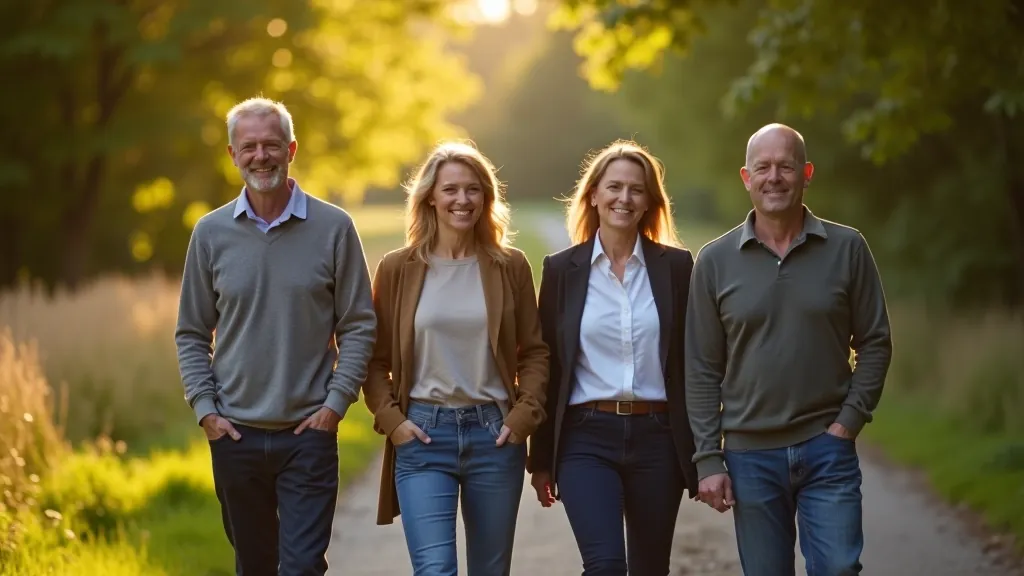
One of the biggest surprises in age transitions is the social shift. Your old social structures might not fit anymore. Kids are grown. Work identity might be changing. Some friendships naturally drift. This isn't failure — it's the normal evolution that happens when life circumstances change.
The question isn't "Why is this happening?" It's "What kind of social life actually fits my life now?" For some people, that means deepening a few key friendships rather than maintaining a large circle. For others, it's finding communities around new interests — running clubs, book groups, volunteering roles, skill-building classes. You're not starting from zero. You've got 45, 50, 55+ years of experience connecting with people.
Most transitions settle into a new normal within 6-12 months. You'll have established new routines, found your rhythm with changes, and begun building new social structures. The first 3 months are typically disorienting. By month 6, you're getting your footing. By month 12, the new way feels increasingly natural.
Explore more resources for navigating this chapter of your life.
The years leading up to retirement shape how you'll experience it. We explore the mindset shifts that matter most.
Read Article
You've got experience, self-knowledge, and time ahead. This guide walks through rebuilding with intention.
Read Article
Goal-setting at this stage is different. We cover how to clarify what actually matters to you now.
Read ArticleThis article is informational and educational in nature. It's designed to help you understand common experiences during age transitions and explore different perspectives on navigating change. Everyone's experience is unique, and your specific circumstances may differ from what's described here. If you're experiencing significant difficulty with transitions, persistent mood changes, or health concerns, we encourage you to speak with a qualified healthcare provider, therapist, or certified life coach who can provide personalized guidance based on your individual situation.
Age transitions aren't something that happen to you. They're something you navigate. The difference is significant. When you're navigating, you're making choices — about what to adjust, what to keep, what to build new. You're not passive. You're not resigned. You're intentional.
The confidence comes from recognizing that you've done this before. You've adapted to change. You've rebuilt. You've found your footing in new circumstances. This transition is different in its specifics, but not in the fundamental human capacity you bring to it. You're equipped. You're experienced. And you're not doing it alone — millions of people are navigating the same threshold right now, learning what you're learning, adjusting what you're adjusting.
Ready to explore your specific transition more deeply?
Get in Touch